Twelfth Session (9 page pdf) – “Wendo World” – After a respite of normalcy, it gets even weirder when Captain Sindawe’s lover/patron Voodoo goddess Mama Watanna sends them on an otherworldly quest.
But first, Sindawe hews to their battle cry of “No Witnesses!” and cannons the cargo ship full of 3 crews of sailors into nothingness. Both the PCs and NPCs are mixed in their reaction to this, but… he’s the captain. Sindawe’s interpretation of Lawful Evil is pretty interesting, both “devil style” deals with catches, ruthlessness, but loyalty to and protection of his crew.
They go and give the Aspis their cut without event at Smugglers Shiv, famous as being the starting point of the Paizo Serpent’s Skull adventure path, also set in the Mwangi Expanse (fantasy Africa) and featuring serpentfolk. I haven’t been able to steal from it for this campaign though since one of the other players is a GM and owns and has run it (and at least one other player played in it, I believe).
Though interestingly enough in that adventure, Souls for Smuggler’s Shiv, there’s a serpentfolk posing as a female Varisian scholar…. Samaritha in the future, if things go poorly? Maybe!
Anyway, Mama Watanna appears again to Sindawe and convinces him to take the ship on a weird mystical quest in the spirit realm for her lost comb, brush, and mirror. This is a somewhat amended version of a Frank Mentzer-penned adventure in the Razor Coast corebook called “Deep Waters”, which kicks off with their ship “sinking” to the bottom of the sea to meet Kendo Kane and thence to sail the spirit seas guided by his gris-gris…
Sindawe of course has his voodoo (wendo, in Pathfinder-ese) goddess already but the rest of the PCs haven’t had to deal with it much. But it’s a big part of the Razor Coast so here I’m unpacking it for the rest of the party. But first I have to merge the “canonical” Pathfinder juju wendo (voodoo loa) and the Razor Coast third party ones, plus make them draw from real world stuff for extra fun. Here’s the combo result for the campaign.
Juju (aka Voudou)
- Ritualistic Tradition of Spirit Worship
- Centers of Belief: Mwangi Expanse (Kibwe, Mzali),
- Sargava (Kalabuto), The Shackles (Mgange Cove)
- Common Believers: Druids, oracles, rangers, Mwangi humans (Bekyar, Bonuwat, Zenj)
- Compatible Beliefs: Druidism, totemism, pantheism
- Incompatible Beliefs: Ecclesiastical religions (particularly Abadar and Iomedae)
The tribal people of the Mwangi Expanse walk a path between the mortal world and the spirit world, or hana juju. Those who follow their ancient traditions believe that countless entities known as wendo move among mortals, shaping fate and guiding destiny. Though not gods, the wendo are capricious and demand worship in exchange for cooperation. Only the wendifa, juju oracles whose craft is passed down through oral tradition from lost civilizations, can divine what the wendo want. Wendifa lead rites and sacrifices to gain insight from the wendo and offer their followers some protection from the unforgiving forces of nature. Wendifa of great power can bend the spirits of both nature and the living to their will, earning them respect from both foes and followers.
To the uninitiated, juju is a complicated system of objects and symbols for protection and power. Some even believe it to be an organized religion with a standard set of beliefs and rituals. Those with greater experience know that juju is a living, breathing faith—an ever-evolving collection of traditions transmitted by word of mouth from one generation to the next. Fetishes, power objects known as “gris-gris”, and ancient sigils are the tools of worship, but they are not the heart of juju, nor are the practices of one tribe common to all.
The heart of juju is communion with the wendo through elaborate rituals designed to summon the spirits, who carry messages and entreaties to hidden spiritual entities of immense power. These rituals involve idols and sacrifice, music and dance, and the crafting of metumbe, detailed pictograms identified with specific wendo. The nature of these rites can range from celebrations and offerings of food to the bloody sacrifice of intelligent beings, depending on a tribe’s moral tendencies. Failing to follow the precise directions of a ritual, improperly fashioning a wendo’s metumbe, or—worst of all—allowing nonbelievers or ben kudu (“lost ones”) to witness a ritual can bring the wendos’ wrath, requiring even greater sacrifice to appease the spirits.
Juju is a highly personal faith, with each practitioner keeping to the rituals and taboos handed down from his family or tribe. Though they prefer to stay close to their wendifa for guidance, juju practitioners who travel the world follow their rituals closely, seeking guidance from the spirits while making sure to guard them from the eyes of ben kudu.
Rather than choosing a specific patron, most wendifa deal with a wide range of wendo according to their needs. While undead-creation exists within the faith, and is often fixated on by outsiders, it isn’t indicative of the religion as a whole, and reflects merely the specific practices of individual tribes.
Known wendo include but are not limited to (Wendo Title Weapon Sacred Animal):
- Kindo Kane (Papa Legba to some), “The One Who Stands at the Gate”, Longspear, Panther and dog
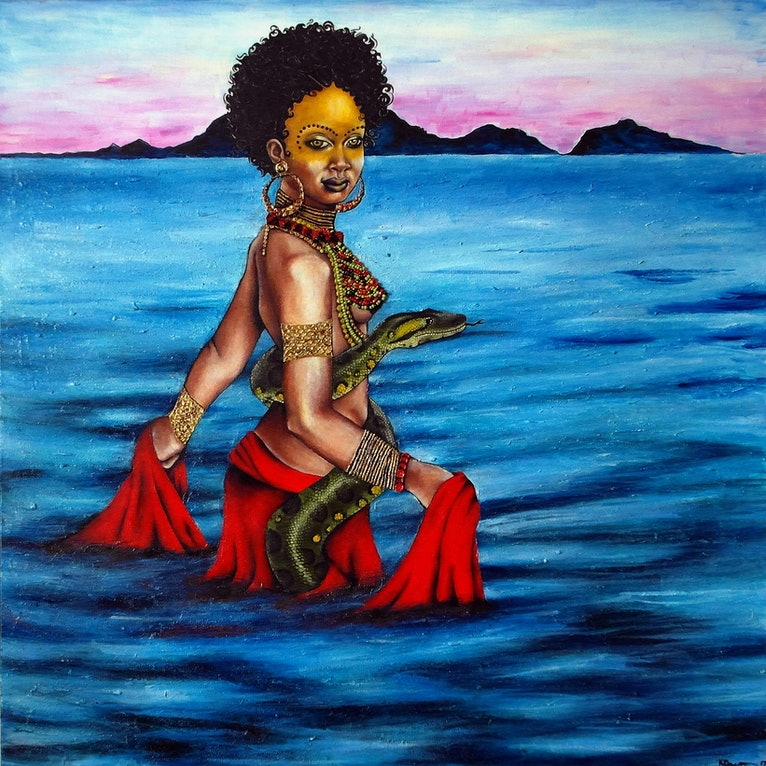
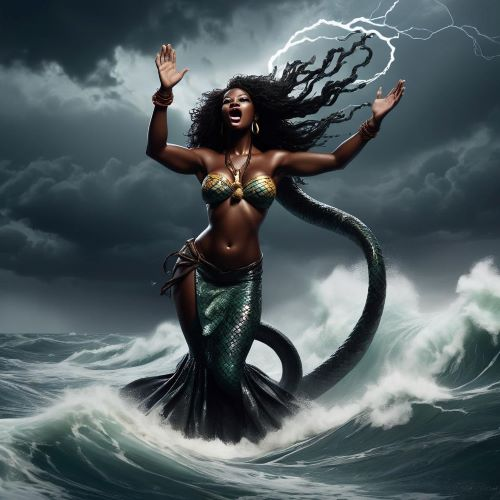
- Mami Wata (Aizan to some), “The Water Mother”, pouwhenua (staff/spear double weapon), Snake
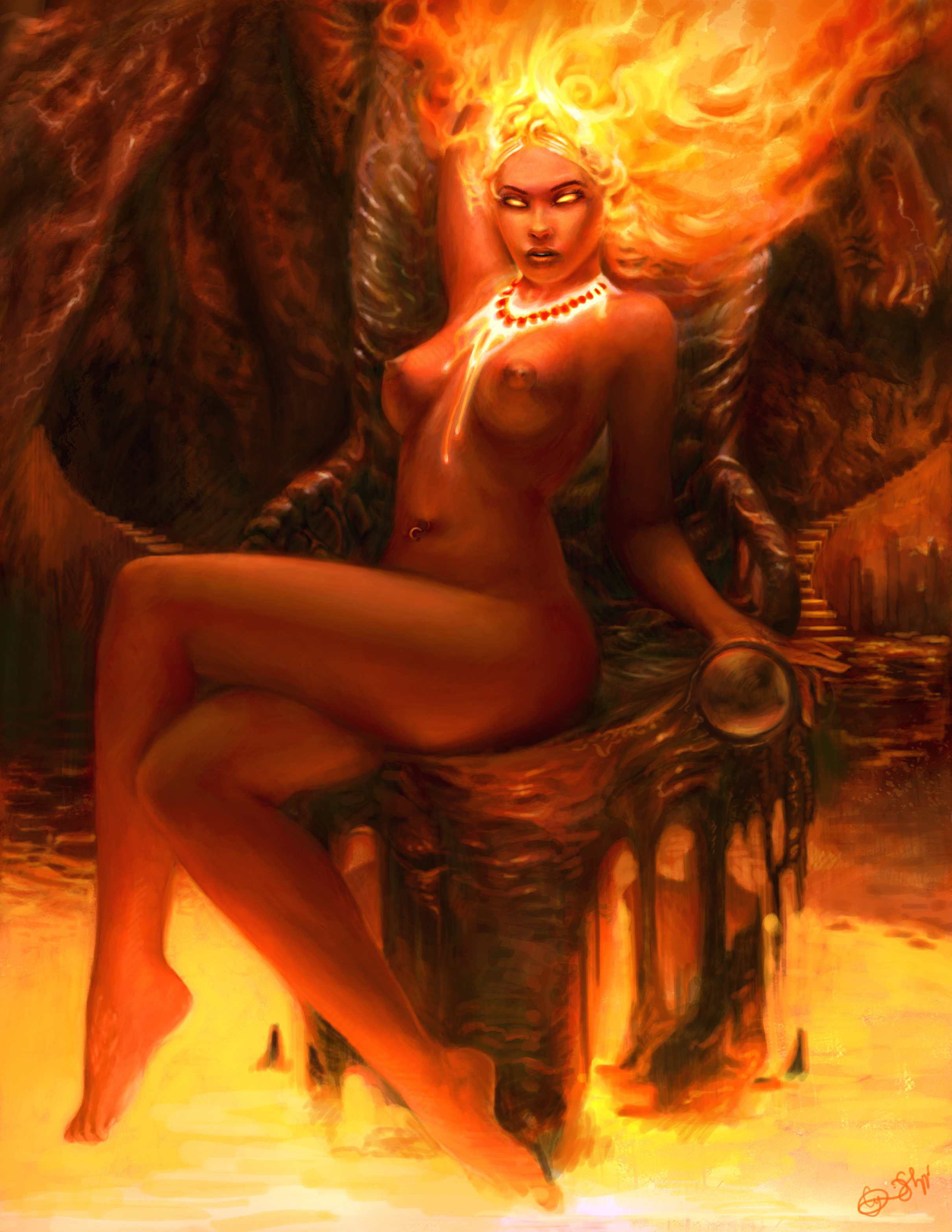
- Great Pele, “Mother of Fire and Wrack”, Battle poi, none
- Sister Liiza, “Sweet Sister”, Dagger, Chicken
- Lo Lulu (Baron Samedi to some), “Night Lord”, Blowgun, Spider
- Adamde Baaka, “The Jungle Spirit”, Shortbow, Monkey
- The Serpent King (Damballa to some), “Wise Brother”, Quarterstaff, Snake
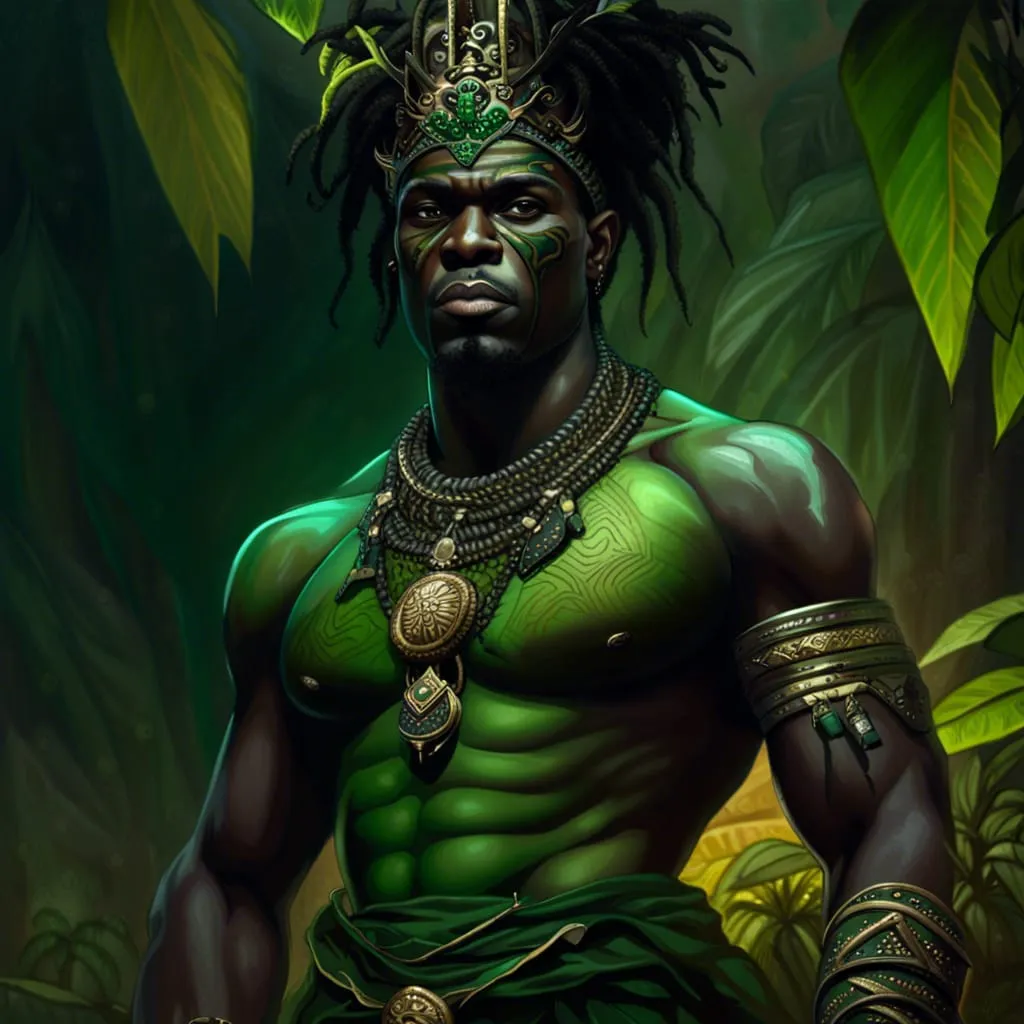
- Omoro (Oggun to some), “The One Mighty and Strong”, Club and machete, Warthog and Bear
- Mfuello, “The Journeyer”, Shortspear, Frog
- Old Ba, “Old Man, The Ancient”, Quarterstaff, Goat
- Donma Goko, “The Cliffdweller”, Dagger, Swallow-tailed gull
Exact names, genders, and details for the wendo (loa) vary from region to region.
Reavers Campaign Notes
- Sindawe knows all this, being a Bonuwat Mwangi from the Expanse.
- Mami Wata, Sindawe’s patron, is real-world inspired, check out https://en.wikipedia.org/wiki/Mami_Wata
- The local Tulita tribe in Port Shaw on the Razor Coast think Mokoli Ali’i is the prophesied “Son of Pele”. There are legends that it was Pele who smote the elven city on Hot Springs Island.
- The party will go into the realms of Omoro, Pele, and Lo Lulu and met Kindo Kane during this spirit-land adventure to get her comb, watch, and mirror for Mami Wata.
- The Serpent King is disturbingly similar in depiction to Serpent, which for some reason has not occurred to Sindawe.
Anyway, this is in addition to gods like Shimye-Magalla the janiform combo of Desna and Gozreh and the local Tulita trinity of totem gods, Whale, Dolphin, and Turtle, which you don’t know much about.



 Geek Related